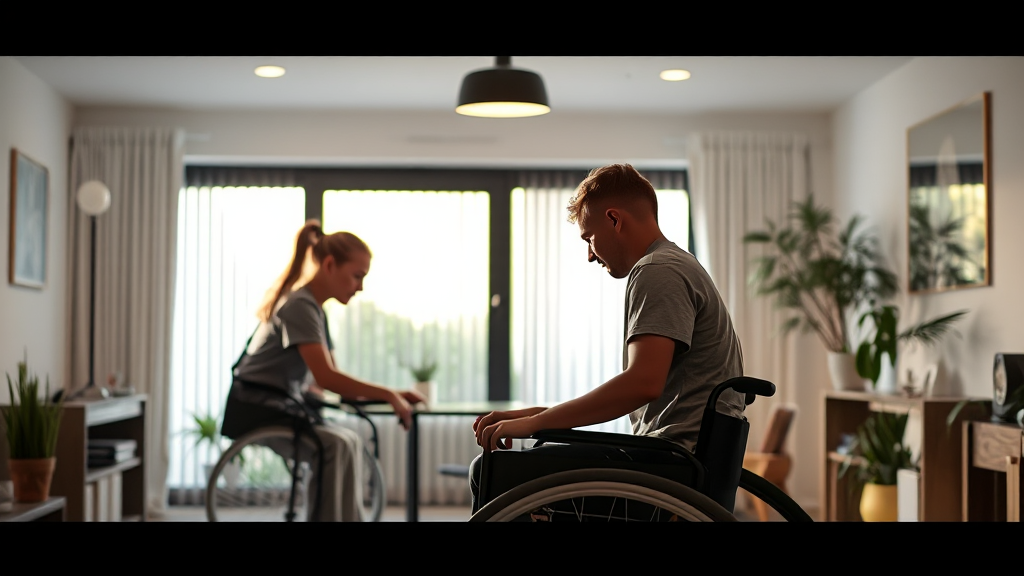
How NDIS Allied Health Services Empower Independent Living
For participants of the National Disability Insurance Scheme, accessing the right therapeutic support can make a profound difference in everyday life. NDIS Allied Health Services encompass a broad range of clinical and community-based interventions designed to help people with disability build skills, improve wellbeing, and participate more fully in their communities. From physiotherapy to speech pathology, these services are not just about treatment—they are about enabling choice, control, and independence. In this article, we explore how allied health supports integrate with the broader NDIS framework, what families should look for in a Registered NDIS provider, and why a holistic approach to care leads to better outcomes.
Understanding the Scope of NDIS Allied Health
Allied health professionals are university-trained clinicians who work alongside medical practitioners to address physical, cognitive, communication, and psychological needs. Under the NDIS, these services are funded under various support categories, including capacity building and daily living. A Provider Melbourne that offers integrated allied health and accommodation support can help participants avoid fragmented care. Common allied health disciplines include Physiotherapy, Occupational Therapy, Speech Pathology, Psychology/Counselling, and Exercise Physiology.
The Role of Allied Health in Daily Living and Independence
Allied health interventions are most effective when they are tailored to a participant’s personal goals. For instance, an occupational therapist might assess a home environment and recommend modifications that enable safer Daily Living Support. Similarly, a physiotherapist might develop a strengthening program that reduces the need for Personal Care assistance over time. These therapies complement NDIS Daily Living supports by building the participant’s own capacity, rather than creating long-term dependency. When allied health professionals collaborate with support workers and families, the outcomes are often more sustainable.
Key Allied Health Disciplines Under the NDIS
Physiotherapy and Exercise Physiology
Physiotherapy helps participants manage pain, improve mobility, and recover from injury. Exercise Physiology goes a step further by using tailored exercise programs to improve cardiovascular health, strength, and coordination. These services are especially valuable for participants with neurological conditions, cerebral palsy, or acquired brain injuries. Regular sessions can reduce the risk of secondary complications and enhance participation in community activities.
Occupational Therapy
Occupational therapy focuses on enabling participation in everyday tasks—from dressing and cooking to attending work or study. An OT might recommend assistive technology, home modifications, or skill-building strategies. This discipline is central to Supported Independent Living arrangements, where the goal is to live as autonomously as possible. OTs also play a key role in assessing the suitability of Specialised Disability.
Speech Pathology
Speech pathologists address communication and swallowing difficulties. For a child with autism, speech therapy might focus on social communication; for an adult with a spinal cord injury, it might focus on alternative communication devices. Speech Pathology also supports people who need help with eating and drinking safely, which is a critical aspect of daily care.
Psychology and Counselling
Mental health is just as important as physical health. Psychological Support can help participants manage anxiety, depression, or the emotional impact of a disability diagnosis. Psychologists work within the NDIS framework to develop coping strategies and build resilience. This type of support is often delivered in conjunction with NDIS Support Coordination to ensure a holistic approach.
How Allied Health Integrates with Accommodation and Respite
Many NDIS participants live in shared or supported accommodation settings. In such environments, allied health professionals may visit participants on-site to deliver therapy. For example, a participant in Respite Care might have an exercise physiology session to maintain fitness during a short stay. Similarly, a resident in a medium-term accommodation facility could receive occupational therapy to practice independent living skills before moving to a more permanent home. Providers that offer both accommodation and 24-hour care / disability support are well-positioned to coordinate these services seamlessly.
Community Participation and Social Inclusion
Allied health also supports community engagement. NDIS Community participation goals might include joining a local sports team, attending a Day Programs, or visiting a Fitness Centre. Exercise physiologists and OTs often design programs that help participants build the physical and social skills needed for these activities. Participation Social supports are more than just outings—they are about building confidence and connections. Community Participation Support workers can accompany participants to therapy sessions and reinforce the skills learned.
Special Populations: Pediatrics and Telehealth
Allied health is not limited to adults. pediatrics is a growing area within the NDIS, with early intervention therapies for children with developmental delays or disabilities. Speech pathologists, OTs, and psychologists often work with children in their natural environments—home, school, or childcare. For families in regional areas or those with mobility challenges, Telehealth has become an invaluable option. Remote sessions allow participants to access specialists without the stress of travel, and many providers now offer hybrid models.
Choosing the Right NDIS Provider for Allied Health
Selecting a provider is a critical decision. Look for a NDIS Provider that is truly Registered NDIS and has experience in coordinating multiple services. A good provider will offer a multidisciplinary team that communicates regularly. For example, Disability Care Services in Melbourne often include both therapy and support workers under one roof. This integration reduces appointment fatigue and ensures that everyone is working toward the same goals. It is also wise to ask about High Intensity Care if you have complex medical needs, as this requires specialized training.
The Future of Allied Health in the NDIS
As the NDIS evolves, there is a growing emphasis on outcomes and participant choice. Allied health will continue to play a pivotal role in helping people live their best lives. Providers like Caring Hearts are at the forefront of this movement, offering not just therapy but also Accommodation and NDIS Daily Living support in locations such as (Dandenong). By breaking down silos between health and social care, the sector can deliver more person-centred services.
Frequently Asked Questions
What is the difference between NDIS core supports and capacity building?
Core supports cover daily living needs such as assistance with self-care or community access, while capacity building supports are aimed at developing skills and independence—this is where most allied health services fall. For example, occupational therapy to learn how to cook is a capacity building support.
How do I get allied health services funded in my NDIS plan?
You need to request funding for specific support categories during your plan review. Your support coordinator or planner can help you justify the need based on your goals. Once funded, you can choose a provider that offers the required services.
Can I access allied health services through telehealth?
Yes, many NDIS providers offer telehealth for psychology, speech pathology, and even some physiotherapy consultations. This is especially helpful for participants in remote areas or those with limited mobility.
Do I need a referral to see an allied health professional under the NDIS?
No, you do not need a GP referral for most allied health services if they are funded in your NDIS plan. However, some services like psychology may require a formal diagnosis or assessment, which your provider can assist with.
Readers who are interested in this topic will benefit from exploring multiple perspectives and understanding the nuanced approaches that industry leaders recommend. Taking time to research thoroughly ensures better outcomes and more informed decision-making.
Those looking to gain deeper knowledge in this area should consider following expert analysis, staying updated with the latest developments, and engaging with professional communities where these topics are discussed in detail.
A comprehensive understanding of this subject requires looking at both theoretical foundations and practical applications. By combining study with hands-on experience, learners can develop a well-rounded perspective that serves them well in real-world scenarios.
As the landscape continues to shift and evolve, staying informed about emerging trends and best practices becomes increasingly valuable. This ensures you remain competitive and capable of adapting to new challenges as they arise.