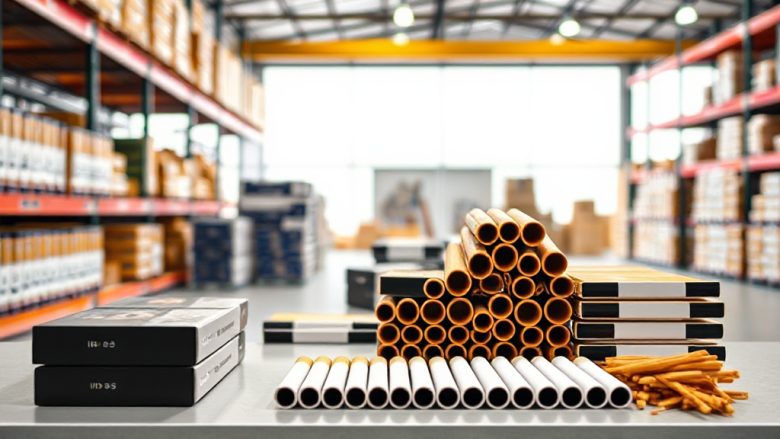
Heated Tobacco Waste: What Happens to Sticks, Cartons and Devices
When a heated tobacco stick is finished, what is left behind? The answer is not a single object but a small mix of materials: a short paper tube, a filter segment, a foil-lined wrapper, and often a plastic or cardboard carton around it. For adult users who buy in carton quantities, the waste question starts there. This article describes those materials honestly, without green claims, and explains what can and cannot be separated at home. It also looks at how ordering patterns from a retailer such as https://sticks-store.com/ shape the amount of packaging that arrives at your door.
What a used heated tobacco stick actually contains
A heated tobacco stick is not burned, so there is no ash. That does not make it a single material. Most sticks combine a tobacco plug, a hollow paper tube, a filter made of paper or polymer, and an outer wrap. Some designs include a cooling element or a foil layer near the mouth end. Each part behaves differently in a waste stream.
The tobacco section holds moisture and residue after use. The paper tube and outer wrap are usually paper-based and can tear apart in water. The filter is the part that causes the most confusion: depending on the brand, it may be cellulose acetate, a paper filter, or a polymer-based segment, and none of these break down quickly in a landfill.
Why the stick is not simply paper
Because the filter and any foil or polymer segments are bonded to the paper, a used stick is a composite item. That matters for disposal. A composite item cannot go into a paper recycling bin with confidence, and most municipal systems do not accept small mixed-material items at all. The practical result is that used sticks belong in general waste unless your local authority explicitly says otherwise.
The residue question
The tobacco plug retains some moisture and aroma compounds after heating. This is why used sticks can smell if they sit in an open bin. A sealed pocket ashtray or a small lidded container reduces odor and keeps residue out of contact with other recyclables. It is a small habit, but it prevents contamination of paper and cardboard that would otherwise be recyclable.
Carton packaging: the part most users overlook
Buying by the carton changes the waste profile. A single pack may be a small foil-lined box, but a carton adds an outer sleeve, sometimes a plastic film, and a shipping box on top. When shoppers compare Sticks Store carton quantities with single-pack purchases, the packaging difference is usually the outer sleeve and the shipping carton, not the sticks themselves.
Most outer sleeves are cardboard and can be flattened and recycled where paper collection exists. Plastic shrink film is the problem item: it is often low-density and not accepted in curbside bins. Foil-lined inner wrappers are also mixed-material and generally go to general waste.
A simple sorting routine for carton deliveries
- Open the shipping box along the tape line and flatten it for paper recycling.
- Separate the outer carton sleeve from any plastic film; recycle the sleeve, bin the film.
- Keep the inner foil wrappers out of paper recycling, since the foil layer contaminates the pulp.
- Store used sticks in a sealed container until you can put them in general waste.
None of this is glamorous, but it is the difference between a clean cardboard stream and a contaminated one. Flattening and separating takes about a minute per delivery, and it is the highest-impact step most households can take.
Devices: the electronics side of the waste stream
Devices such as IQOS, glo, and Ploom holders and chargers contain lithium-ion batteries, circuit boards, and plastic housings. These are not disposable items in the same sense as sticks, but they do reach end of life. A dead battery in a household bin is a genuine problem: it can puncture, heat up, or leak in collection trucks.
Small electronics should go to a dedicated e-waste drop-off or a retailer take-back point where one exists. The plastic housing and metal contacts are recoverable, and the battery must be handled separately. If a device still holds a charge but no longer performs well, check whether the manufacturer offers a battery service before replacing the whole unit.
What to do before you discard a device
Wipe the housing, remove any stick left in the holder, and if possible discharge the battery before transport. Keep the device out of household recycling bins entirely. Never place a battery-containing device in a paper or plastic recycling stream, because it can contaminate an entire load and create a fire risk at the sorting facility.
Disposal options and a practical summary
There is no dedicated recycling route for used heated tobacco sticks in most EU markets. The realistic options are general waste for sticks and foil wrappers, paper recycling for clean cardboard sleeves and shipping boxes, and e-waste collection for devices. Local rules vary, so the useful question to ask your municipality is whether small mixed-material items and lithium batteries are accepted at the household recycling center.
| Item | Likely material | Best disposal route |
|---|---|---|
| Used stick | Paper, filter, foil segment | General waste |
| Carton sleeve | Cardboard | Paper recycling |
| Shrink film | Plastic film | General waste or store drop-off |
| Inner foil wrapper | Mixed foil and paper | General waste |
| Device | Battery, electronics, plastic | E-waste collection |
The honest summary is that heated tobacco waste is a small-volume but mixed-material problem. Buying in cartons reduces the number of separate shipments, which trims shipping packaging, but it does not change what the sticks themselves are made of. Sorting cardboard, binning foil and film, and keeping devices out of household bins covers nearly all of the practical impact. For adult users, that routine is the realistic middle ground between convenience and responsible disposal.